Roundtable

Genetic Engineering

Rise of genetic engineering; a powerful tool or a matter of concern?

The world of liberalism is projected also in the field of medicine and genetic engineering. Recent gene-editing tools allow broad clinical implications with many trials already being in place. Numerous benefits of those approaches including causative therapy rather than symptomatic relief are however overshadowed by related health and ethical concerns. This debate aims to focus on the role of regulations controlling otherwise rapid genetic innovations within Central Europe. Science is a powerful tool, yet can be dangerous if used unwisely.

Speakers

Dominika Fričová

Dominika Fričová

Slovakia

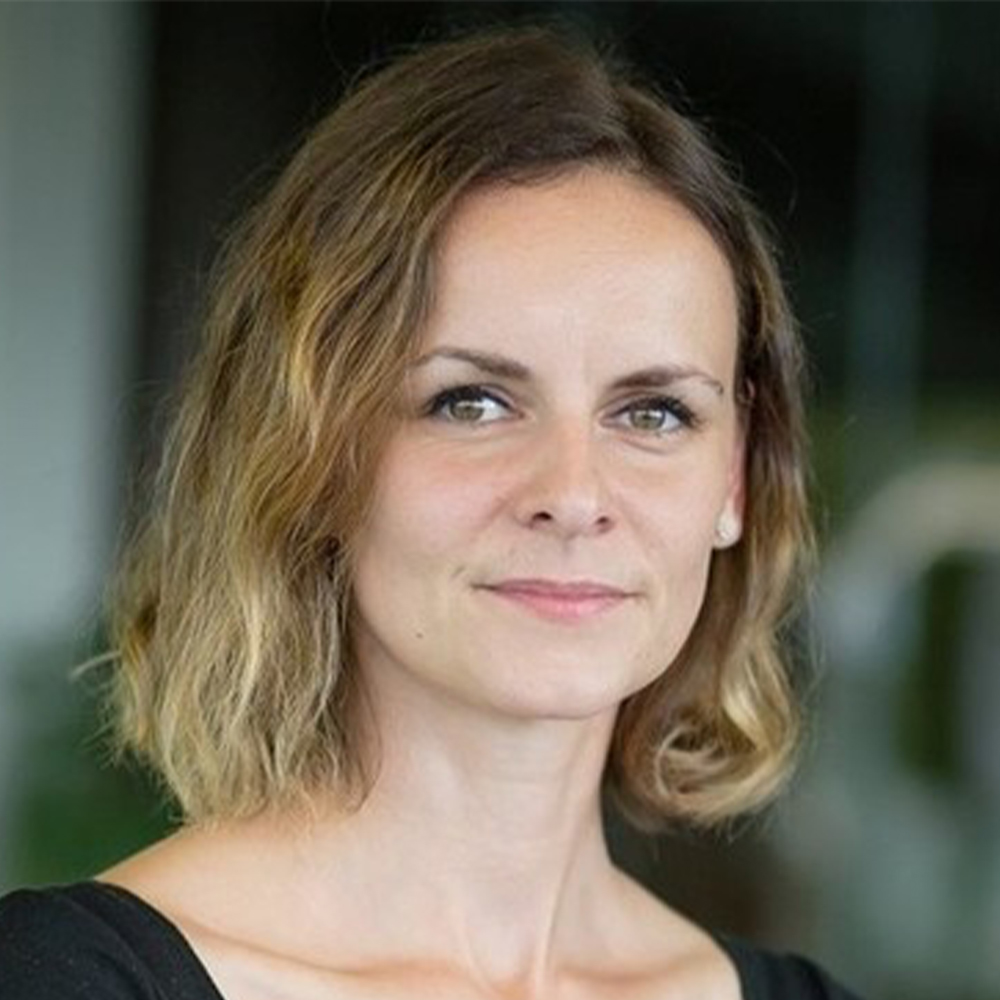
Doctor Dominika Fričová is a professional in two fields - Biochemistry and Medicine. She obtained both degrees at Comenius University in Bratislava, Slovakia, and now serves as the head of the Parkinson's disease research laboratory at the Institute of Neuroimmunology, Slovak Academy of Sciences. She has previously worked at the Mayo Clinic in the United States. Her main specialisation is the use of modern gene targeting methods such as the CRISPR/Cas9 system in the laboratory and she focuses on neurodegenerative diseases. It is a great honour to have her as our speaker for the Genetic Engineering roundtable. She will represent the interface between science and clinics and share her thoughts about the use of gene modifying tools for medical applications.
Martin Jínek

Martin Jínek

Czechia

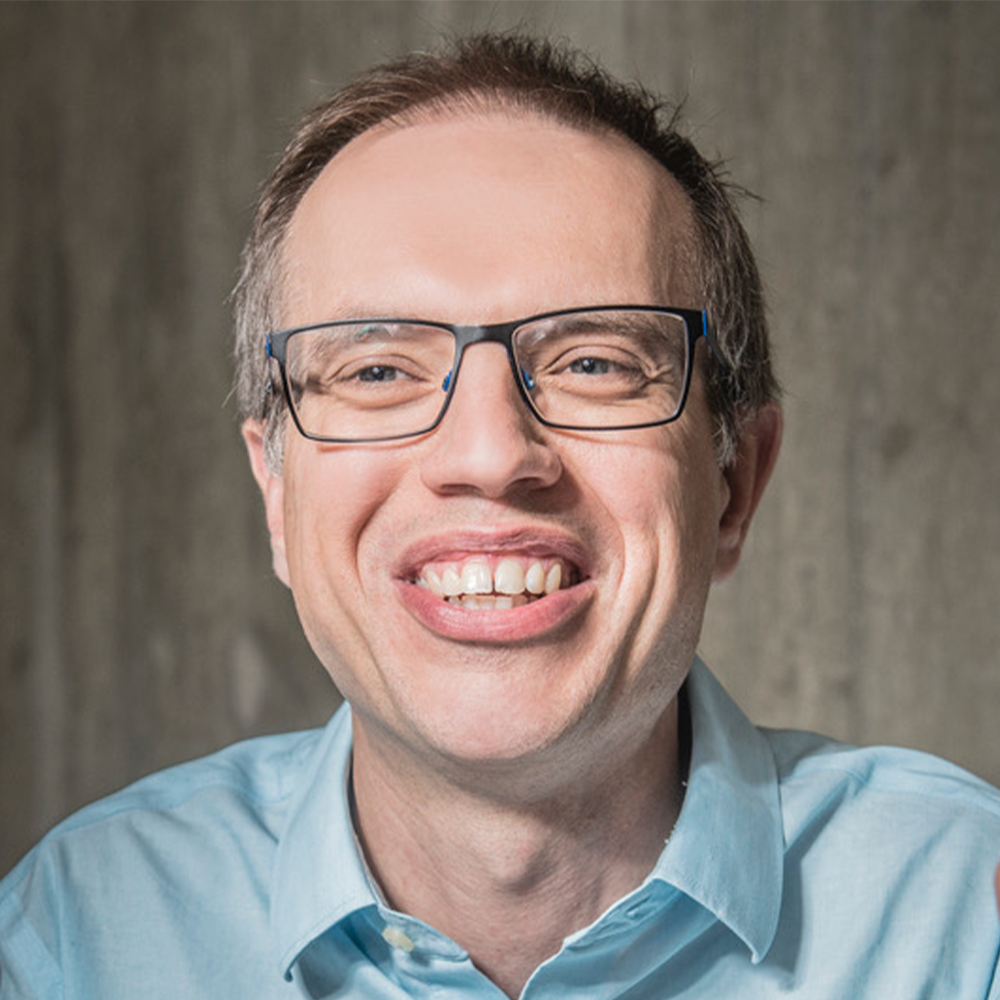
Professor Martin Jínek is a Czech biochemist who majorly contributed to the development of the world-renowned gene-editing tool CRISPR-Cas9. He studied Chemistry and Natural Sciences at the University of Cambridge and obtained a PhD degree from Molecular Biology in Heidelberg. He then moved to California to work alongside Prof. Jennifer Doudna on the research of CRISPR-Cas9 which led to a Nobel Prize in Chemistry in 2020. His research focuses on molecular mechanisms that underpin genetic regulation and genome editing technologies, and he will represent the perspective of a scientist whose contributions led to discoveries with many possible medical implications - offering an improvement of numerous disease treatments, yet raising ethical questions.

Peter Sýkora

Peter Sýkora

Slovakia

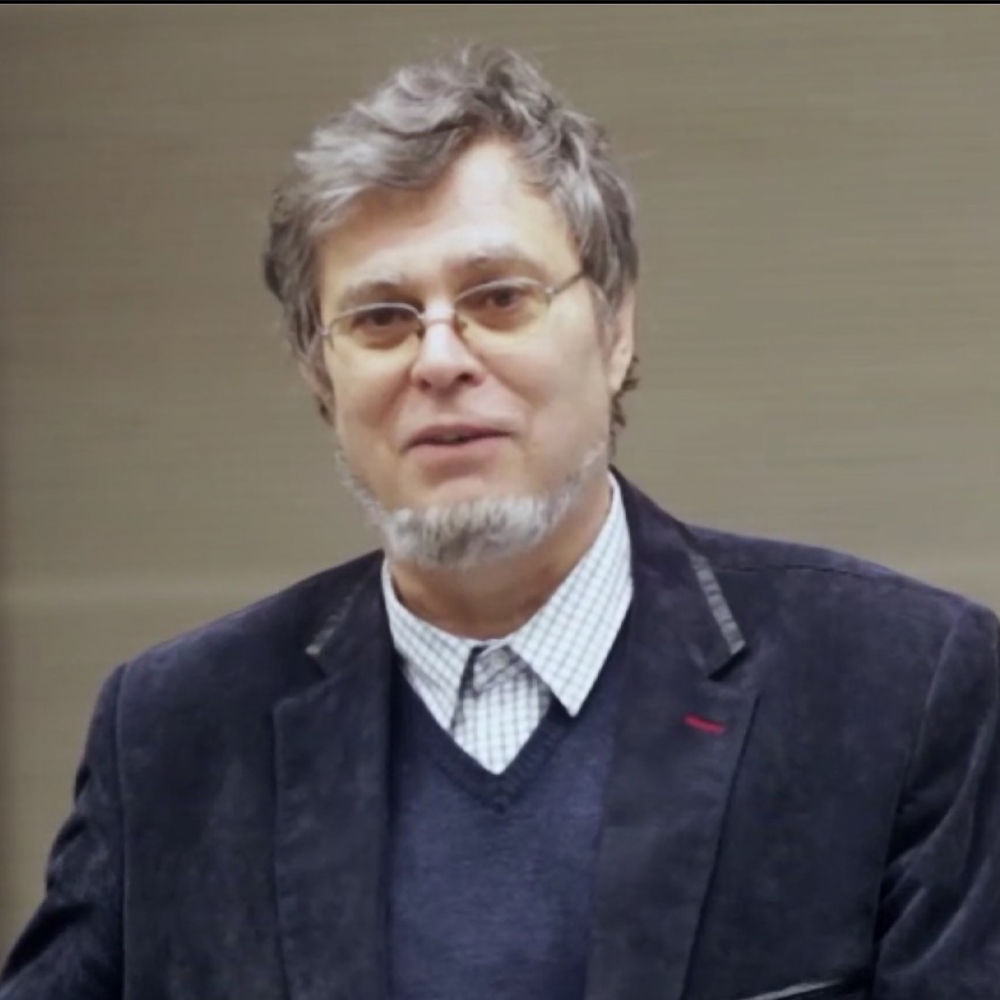
Peter Sýkora is a Professor of Philosophy at the University of Sts. Cyril and Methodius (UCM), Slovak Republic. After his PhD in microbial genetics, he did biomedical research at numerous universities including Glasgow University, University of Massachusetts and Emory University. Now he focuses on philosophy and bioethics. In 2009 he was a Visiting Professor in Medical Ethics at the Centre for Biomedical Ethics, National University of Singapore. He is a founder and director of the Center for Bioethics at UCM and a member of the Slovak national Ethics Committee (2005-2021). He authored and co-authored numerous articles, chapters, and books in evolutionary biology, philosophy, and bioethics.